When you're starting a new build or a renovation, picking the right materials isn’t just about looks—it's about durability too. One option that’s been gaining real traction is Exterior WPC Wall Panels, which give you the warm, natural feel of wood plus the resilience of plastic composites. Here at Shandong Best Import & Export Co., Ltd., based in Linyi, Shandong Province, China, we’re proud to be a leading manufacturer and trader of wood-plastic composite products. With our strengths in production, R&D, sales, and market analysis, we truly understand the challenges contractors and homeowners face. In this post, we’ll share five practical tips to help you choose the best Exterior WPC Wall Panel for your project—so you can make a well-informed decision that balances design and functionality, while also tapping into the value of our high-quality offerings.
Benefits of WPC Wall Panels: Understanding the Market Trends and Growth Projections
These days, Wood Plastic Composite (WPC) wall panels are really taking off in exterior design. Grand View Research puts the global WPC market at about $5.5 billion in 2022 and expects it to keep growing—over 11% CAGR—from 2023 through 2030. The main driver? A rising demand for sustainable building materials that look good and hold up well. WPC wall panels mix wood fiber with plastic, which makes them a solid choice for eco-conscious buyers who don’t want to compromise on quality while shrinking their carbon footprint. Market trends point to a growing preference for low-maintenance materials that resist rot, insects, and tough weather. A survey by Research and Markets found that roughly 65% of architects and builders say longevity and low maintenance are key factors when choosing materials. And the versatility of WPC means you can dial in lots of design possibilities across different architectural styles, all while enjoying energy efficiency benefits. As this space evolves, staying on top of these trends is smart for anyone planning their next project.
WPC Wall Panels Market Trends and Growth Projections
Key Characteristics to Consider: Durability, Aesthetic Appeal, and Maintenance Needs
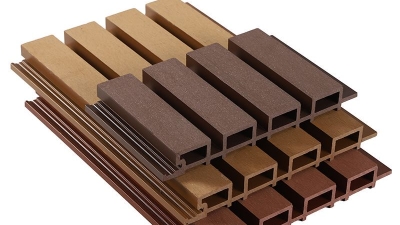
Thinking about the best exterior WPC (Wood-Plastic Composite) wall panel for your project? Start by focusing on three things: durability, looks, and maintenance. Durabilitymatters the most. Wpc Panels are built to handle harsh weather, resist moisture, and keep pests away. Look for panels with high-density construction and UV treatment that helps prevent fading. That extra toughness means your investment will last for years with fewer repairs.
Looks come next. WPC panels come in a range of finishes, colors, and textures that can mimic real wood while giving you a modern edge. When choosing, ask how the panel design fits with your building's architecture and color scheme. Pick finishes that enhance the space's beauty, delivering a warm, inviting vibe without sacrificing durability.
And what about maintenance? One of WPC's big perks is its low upkeep compared with traditional wood. Choose panels that are easy to clean and require minimal maintenance to stay looking good over time. If you pick the right material, you'll save time and money, and your project will keep looking great for years.
Cost Analysis: Comparing WPC Wall Panels with Traditional Materials
When you’re weighing WPC wall panels against traditional materials for your next project, a thorough cost analysis is essential. The latest market outlook suggests the WPC wall panel market will grow from USD 4.5 billion in 2024 to USD 7.2 billion by 2033—a clear sign of a rising trend—and that kind of growth points to a real consumer preference for WPC, mainly because it’s cost-effective and durable compared with traditional options.
Besides the price angle, WPC panels really shine on sustainability and maintenance. They’re made from recycled materials, which can trim production costs, and the upfront installation plus long-term maintenance tend to be lower than with traditional materials.
Recent studies into the thermal and mechanical properties of various plastic composites show that WPC panels aren’t just good-looking—they stand up well under environmental stress, too. All of this makes them a compelling choice for modern construction projects while helping keep the budget in check.
Environmental Impact: The Sustainability of WPC Wall Panels in Construction
When you’re planning your next construction project, the environmental impact should be right up there on the list. Wood-Plastic Composite (WPC) wall panels offer a sustainable option that blends the warmth and look of real wood with the durability of plastic. These panels are made from recycled wood fibers and plastic, which really helps cut down on waste and gives materials that would’ve ended up in landfills a new life. By choosing WPC, you’re not just boosting the building’s aesthetic; you’re also helping push the construction industry toward greener practices.

On top of that, WPC wall panels are known for their longevity and low maintenance compared with traditional materials. That durability translates into fewer resources spent on repairs and replacements over time, which means a smaller carbon footprint for the project. And manufacturers are increasingly adopting eco-friendly production methods, such as renewable energy and smarter processes. So choosing WPC panels aligns with eco-conscious building standards while delivering the style and resilience modern architecture demands.
Installation Tips: Ensuring Proper Setup for Long-lasting Performance
Installing WPC wall panels can be a game changer, but the setup is where the real lasting performance starts. Start with a properly prepped surface—clean, dry, and solid—because that’s the foundation you’re building on. Grab a level and check for uneven spots; catching those now can save you from warping or premature wear later. Let the panels acclimate to the environment before you install them; giving them a little time to adjust helps prevent unwanted expansion or contraction once they’re up.
Then comes the spacing and fastening. Use fasteners that are actually designed for WPC and compatible with your chosen system. Don’t guess on gaps—follow the manufacturer’s guidelines for spacing between panels and from the edge of the wall. Those little allowances let the material breathe with temperature and humidity changes, and they keep the finish looking neat. Finally, a protective sealant after installation can boost moisture and UV resistance, helping your WPC panels last longer. Do these small details right, and your exterior wall project will perform much better in the long run.
Popular Brands and Products: Industry Leaders in WPC Wall Panel Solutions
Choosing the right exterior Wood Plastic Composite (WPC) wall panels for your project can feel a bit overwhelming, but looking at the brands that are steering the industry helps a lot. Brands like Shandong Best Import & Export Co., Ltd. are really pushing the WPC market forward, delivering products that blend durability with style. And with demand projected to reach about 4.5 million metric tonnes in the Asia-Pacific region by 2027, partnering with manufacturers who put sustainability and innovation first isn’t just smart; it’s essential. Shandong Best Import & Export Co., Ltd. shines in WPC solutions, backed by solid R&D. They keep a close eye on market trends and what consumers want, which helps them stay ahead. A recent report notes the global WPC market is expected to grow at a CAGR above 12% through 2025, driven in part by manufacturers like Shandong Best pushing product technology forward. By choosing a recognized brand, you’ll help ensure your exterior wall panels meet performance standards and stay aligned with current design trends and eco-friendly practices.
5 Essential Tips to Choose the Best Exterior WPC Wall Panel for Your Next Project
| Dimension | Material Type | Finish Options | Color Variability | Warranty Period |
| 1800mm x 200mm | WPC Composite | Textured, Smooth | Wide range | 10 years |
| 3000mm x 150mm | Recycled Plastic | Natural, Custom | Limited colors | 15 years |
| 2400mm x 100mm | Wood-Plastic Blend | Ultra-smooth, Anti-slip | Moderate range | 20 years |
| 2000mm x 250mm | High-Density WPC | Rough-sawn, Polished | Extensive range | 25 years |
Transform Your Outdoor Space: Discover the Benefits of the New Eco-Friendly WPC Wall Panel Cladding
Transforming your outdoor space is not just about aesthetics; it's also about making sustainable choices that benefit both the environment and your property. The introduction of eco-friendly WPC (Wood Plastic Composite) wall panel cladding delivers an innovative solution that merges beauty with durability. According to a report by the American Wood Council, the use of WPC materials has been on the rise due to their low environmental impact and long lifespan, making them an attractive option for homeowners looking to enhance their outdoor living areas.
WPC is engineered to resist the most demanding weather conditions. Withstanding challenges such as extreme temperatures, heavy rain, and snow, it requires minimal maintenance compared to traditional wood. A study by MarketsandMarkets indicates that the WPC market is projected to reach $8.22 billion by 2025, reflecting a growing trend toward sustainable building materials. By choosing WPC for your cladding needs, you not only increase the longevity of your outdoor structures but also contribute to a greener planet.
Furthermore, the natural look and feel of WPC allows it to seamlessly blend with any landscape, creating a warm, inviting atmosphere perfect for entertaining or relaxation. With a variety of colors and textures available, WPC wall panels provide endless design possibilities, showcasing that sustainability and style can coexist beautifully in your outdoor space.
FAQS
: The key characteristics to consider include durability, aesthetic appeal, and maintenance needs.
Durability is important because WPC panels are engineered to withstand harsh weather conditions, resist moisture, and repel pests, ensuring a long-lasting investment.
WPC panels come in various finishes, colors, and textures that can mimic natural wood, allowing you to choose designs that fit your building's architecture and color scheme.
WPC wall panels require minimal maintenance compared to traditional wood, as they are easy to clean and maintain their appearance over time.
Shandong Best Import & Export Co., Ltd. is an industry leader known for producing high-quality WPC products that combine durability with aesthetic appeal.
The WPC market in the Asia-Pacific region is projected to reach 4.5 million metric tonnes by 2027, indicating significant demand growth.
Companies like Shandong Best Import & Export Co., Ltd. invest in research and development, which helps them stay at the forefront of industry trends and consumer preferences.
Recognized brands ensure that the exterior wall panels meet performance standards and align with modern design trends and eco-friendly initiatives.
WPC panels should be treated to prevent fading from UV exposure, which is crucial for maintaining their appearance over time.
One should prioritize durability, aesthetic appeal, and ease of maintenance when selecting WPC wall panels for a project.